$310 for 1 Booking, 70% of the Practice Empty: The Number That Actually Mattered
I had a call recently with the co-owner of a veterinary practice that had recently opened. It runs a monthly pet health plan alongside one-off work like consultations, dental cleans and neutering.
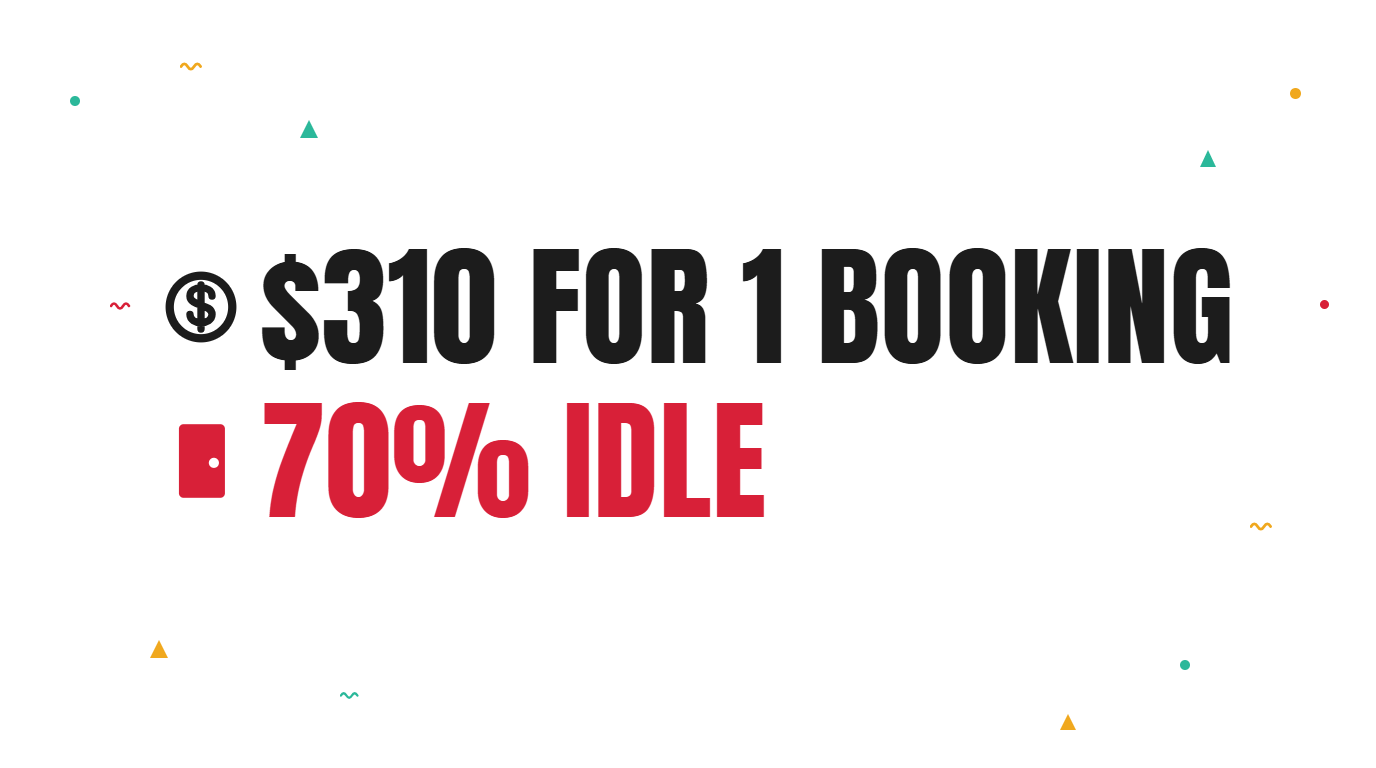
He’d built his own Google Ads account with AI’s help and spent just over $310 to get his first booking. 63 people had clicked through to get there. Only 1 of them booked anything.
Through the wall, 70% of the practice sat empty while that account ran. 2 consult rooms and a veterinary nurse with nothing booked in were costing him more every day than any click ever could.
He picked his budget from the wrong chart entirely
He’d used a keyword research tool to find what it called the point of significant diminishing returns, the price where clicks start getting scarce. It told him $11 and $5 a click, so that’s what he bid.
That number tells you where Google starts running out of cheap clicks to sell you. It tells you nothing about what a customer is actually worth to your business once they walk through the door.
For a one-off dental clean, maybe $11 is close to the right ceiling. A recurring pet health plan is a different sum entirely.
It’s worth $45 a month, and most members stay for the life of the animal. The right number for that service isn’t the diminishing-returns price. It’s the member’s total value, worked out properly, then a clear decision about how much of that you’re willing to spend to acquire them.
The real ceiling on his budget was a room, not a click
His bigger competitors already know this. A plan member worth more than $2,000 over time is worth losing money to acquire in month 1, because the business more than earns it back long before the pet stops coming.
A diminishing-returns chart tells you where clicks get expensive. It has no idea what an empty consult room is costing you today.
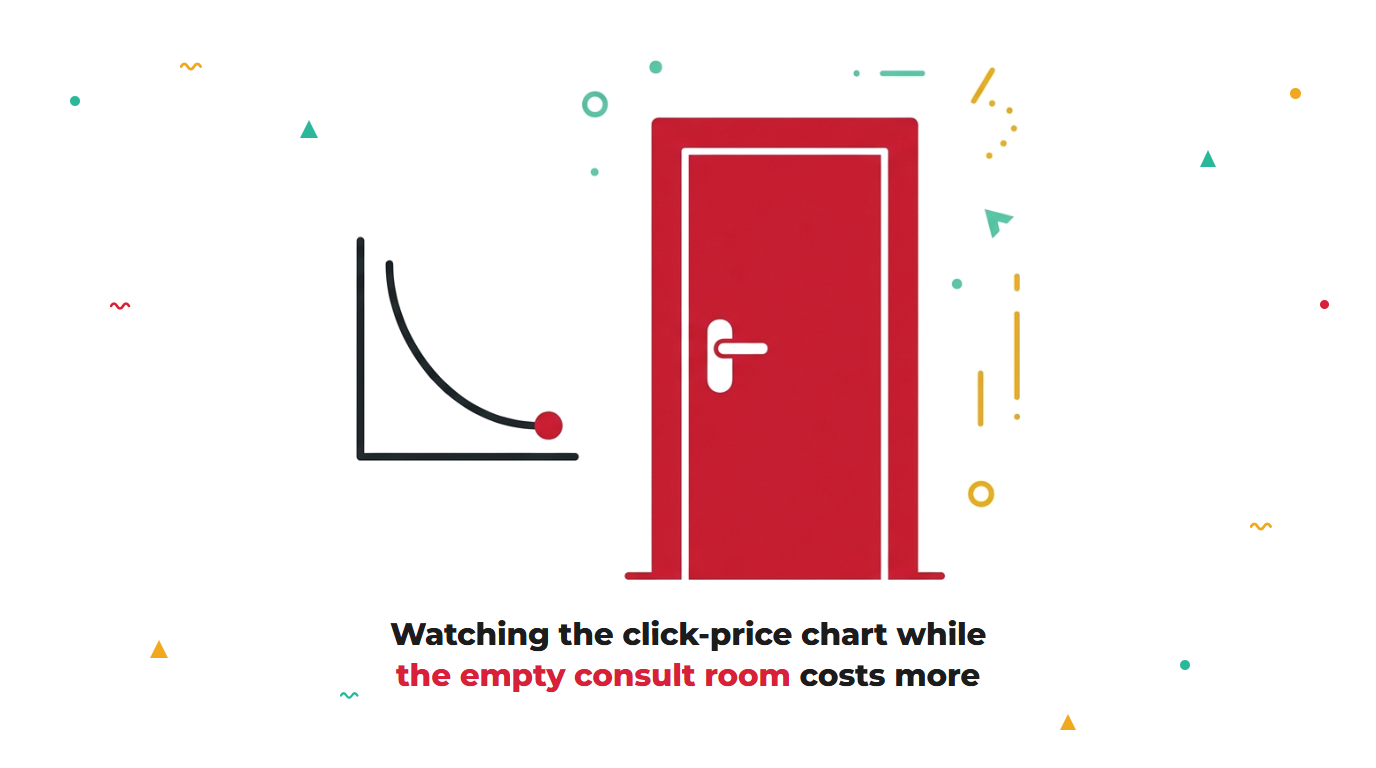
He’d been treating every service in the practice the same: 1 budget, 1 mindset, chasing the cheapest click he could find. Meanwhile 2 rooms and a member of clinical staff sat unused. That idle capacity was the real number he should have been watching.
Here’s the sum his click-price chart could never do for him. A plan member paying $45 a month who stays 4 years is worth $2,160. If he’s willing to give up $400 of that to acquire the member, he spends about 9 months earning it back and still keeps the member for another 3 years.
What an idle room actually costs you
- Work out what a single day of empty capacity costs. Add up the wage, the rent share, and the lost revenue for a room or a member of staff with nothing booked in, and you get a daily number most owners have never actually calculated.
- Compare that number to the click price you’ve been too nervous to pay. For this practice, a single empty day cost more than several weeks of the higher click price he’d been avoiding.
- Work out what your best customer is worth over their whole time with you, not their first visit. A recurring plan and a one-off procedure are 2 different economic decisions wearing the same “conversion” label.
- Decide, in writing, how much you’re willing to lose in month 1 to acquire the customer worth keeping. Without that number written down, fear of an expensive click will always win the argument.
Where the budget should go instead
- Fund the recurring service worth more to you first, and set its target cost per acquisition using the member’s lifetime value, not the diminishing-returns chart.
- Treat the one-off procedures as a smaller, separate budget. They’re a different customer with different economics entirely, and they shouldn’t be competing for the same pound as your best service.
- Add a basic retargeting campaign for past visitors. Routine care like this needs people reminded to rebook, not just found for the first time.
- Revisit the numbers every few months as bookings come in. Your actual member value will tell you more than any keyword tool ever will.
The bigger point
He wasn’t wrong to be careful with money. A new business watching its cash is doing exactly what it should.
He was just watching the wrong number. Fear of an expensive click kept him bidding at the price where Google’s tool said returns diminish, while a customer’s true cost was never on that chart at all. The room sitting empty was costing him more than the click ever would.
Work out what your best customer is actually worth, set your budget from that number, and stop asking a diminishing-returns chart to make a decision it was never built to make. If you’d like a PPC consultant to help you work out that number properly, you know where I am.
A few questions I get asked
How do I work out what a customer is actually worth to my business? Start with the average length a customer stays and what they pay you over that whole time, not just their first purchase. That total, not your cheapest available click price, is what should set your acquisition budget. Then decide honestly how many months of loss you can carry to get there.
Isn’t it risky to spend more per lead than I’m comfortable with? It’s riskier to let an idle room or a nervous budget quietly cost you more than the click ever would. Cheap clicks are rarely a bargain, they’re just a different, worse customer wearing a lower price tag.
Should I turn off the cheaper one-off campaigns completely? Not necessarily, but they need their own smaller budget and their own realistic expectations, separate from the recurring service you value more. 1 shared budget always picks a winner, and it’s rarely the service you actually want more of.
What if AI built my account and I don’t know if this applies to me? Check anyway. AI can build you a technically correct account for free, but it has no way of knowing what your customer is worth to you unless you tell it, and most people never do. That’s the gap an AI consultant fills: advising up front, not left to run the account alone.
2 ways I can help you get this right
If you’d like a second pair of eyes on your account and your numbers, book a free call and I’ll tell you plainly what I find.
Or if you’d rather work through it at your own pace, my masterclass, How to Overtake Your Top Google Ads Competitors in 8 Weeks, walks through exactly this kind of decision, one step at a time.

Claire Jarrett
Google Ads consultant since 2007, published author (6 books), and Google Partner. Claire was the first person to launch Google Ads training in Europe and has helped thousands of professional service businesses scale their leads.
More about Claire